The History of Oom Benna's
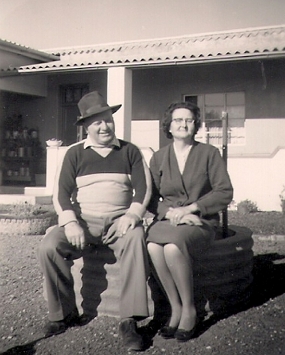
Uncle Benna and Aunt Miemie van Niekerk, the legendary previous owners of the farm
"Oom Benna's" (with "Oom" meaning "Uncle" in Afrikaans) is named after a previous owner of the farm, Uncle Benna van Niekerk, who lived here from the 1950s until his passing in 1998. A true Bolander at heart, Uncle Benna built the original house and barn in the 1950s. In 2005, we—Willem and Heila Louw—purchased the land from his grandson, who had inherited it. At the time, the house stood empty. We decided to start a guesthouse, and in doing so, the legend of Uncle Benna lives on.
Uncle Benna was well known in the region, especially for trading in fruit and vegetables. He collected produce using his truck and, later, his trusty bakkie—always on the lookout for good stock, wherever he could find it. But he didn't stop there: he also dealt in whatever else he could get his hands on, from vehicles and tractors to donkeys and horses. Auctions and sales were his playground, where he regularly scouted for bargains.
One fondly remembered story tells of the time he was selling oranges. He kept insisting they were delicious and sweet, but the potential buyer asked repeatedly to taste one. At last, Uncle Benna relented. The man took a bite, only to grimace at the sourness. Without missing a beat, Uncle Benna calmly remarked, "I say, I say... I like them a little sour."
For Uncle Benna, there was no such thing as too early or too late. If he had an idea, he acted on it immediately—often to the dismay of Aunt Miemie. Well into his eighties, he would decide late at night that he needed to go to an auction or buy vegetables in Upington the next morning, leaving Aunt Miemie to find someone to take him there.
When asked when he planned to retire, Uncle Benna would always answer, "They'll have to carry me out of this house—head first." And so it was. After suffering a stroke, he passed away in hospital in 1998.
The Farmhouse
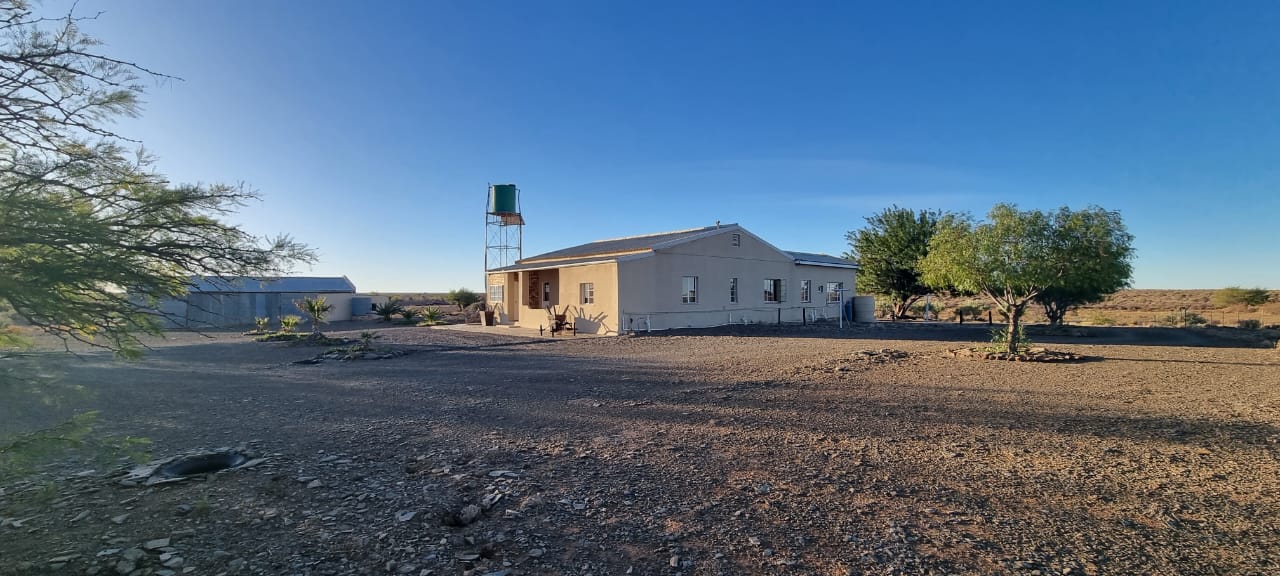
The farmhouse as it stands today
The farmhouse has been lovingly preserved, maintaining many of its original features while adapting to modern needs. The thick walls and high ceilings which kept the original inhabitants cool during the scorching summer days, continue to serve the same purpose for today's guests, while providing a glimpse into the area's past.
The original notice board, which had to be displayed on one's vehicle if one wanted to trade (according to the legislation), can be viewed at the facilities. The scale on which the grapes and other produce were weighed can also be viewed in the house.